
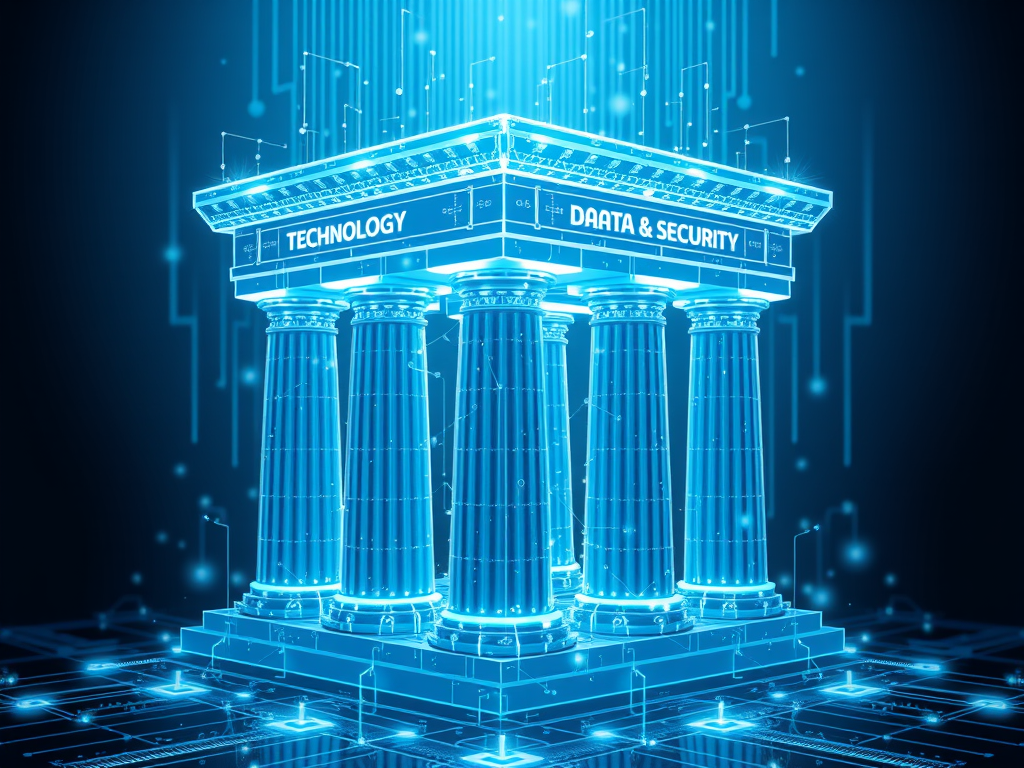
In a technology-driven world, a strong IT infrastructure is the backbone of any successful business. Organizations rely on efficient, secure, and scalable IT environments to ensure smooth operations, protect critical data, and support long-term strategic goals. At Infra’techs, we categorize IT infrastructure into four essential pillars: Core Technology, Data & Security, Operational Management, and Strategic Governance. Understanding these pillars and implementing them responsibly can significantly impact business performance, resilience, and future growth.
1. Core Technology: The Foundation of IT Infrastructure
Core technology consists of the fundamental hardware, software, and networking components that power an organization’s IT ecosystem. This includes servers, storage solutions, cloud platforms, networking equipment, and end-user devices.
Why It Matters:
- Ensures reliability and performance for business-critical applications.
- Enables scalability to meet evolving business needs.
- Supports workforce productivity with efficient, accessible technology.
Best Practices for Implementation:
- Invest in modern, future-ready infrastructure such as cloud and hybrid environments.
- Optimize system performance through regular maintenance and upgrades.
- Implement redundancy and failover mechanisms to minimize downtime.
2. Data & Security: Safeguarding Business Assets
Data is the lifeblood of any organization, making security a top priority. This pillar encompasses data protection, cybersecurity, compliance, and risk management strategies to prevent breaches and ensure business continuity.
Why It Matters:
- Protects sensitive business and customer information from cyber threats.
- Ensures compliance with industry regulations and standards.
- Reduces financial and reputational risks associated with data breaches.
Best Practices for Implementation:
- Deploy multi-layered security measures, including firewalls, encryption, and endpoint protection.
- Establish a robust backup and disaster recovery plan.
- Conduct regular security assessments and employee cybersecurity training.
3. Operational Management: Ensuring Efficiency and Reliability
Operational management involves the processes and tools needed to monitor, manage, and maintain IT systems effectively. This includes IT service management (ITSM), performance monitoring, and automation.
Why It Matters:
- Enhances IT system efficiency and reduces operational disruptions.
- Supports proactive problem resolution and incident management.
- Optimizes resource utilization and cost efficiency.
Best Practices for Implementation:
- Utilize monitoring and analytics tools to track system health and performance.
- Automate routine IT tasks to improve efficiency and reduce human error.
- Implement ITIL (Information Technology Infrastructure Library) frameworks for structured IT service delivery.
4. Strategic Governance: Aligning IT with Business Goals
Strategic governance ensures that IT investments align with overall business objectives. It involves IT policy development, compliance adherence, and technology roadmapping.
Why It Matters:
- Aligns IT strategy with business growth and innovation.
- Ensures regulatory compliance and risk mitigation.
- Supports long-term financial planning and IT investment decisions.
Best Practices for Implementation:
- Develop clear IT policies and governance frameworks.
- Regularly review IT strategy to align with evolving business needs.
- Foster collaboration between IT and business leadership to drive innovation.
Building for the Present and Future
The responsible execution of IT infrastructure implementation is critical for business success. A well-structured IT environment enhances efficiency, strengthens security, and enables innovation. By focusing on these four pillars, businesses can build a resilient digital backbone that not only meets current needs but also adapts to future challenges and opportunities.
At Infra’techs, we help businesses design, implement, and manage their IT infrastructure with a strategic, forward-thinking approach. Contact us to learn how we can support your IT journey and drive your business toward success.